
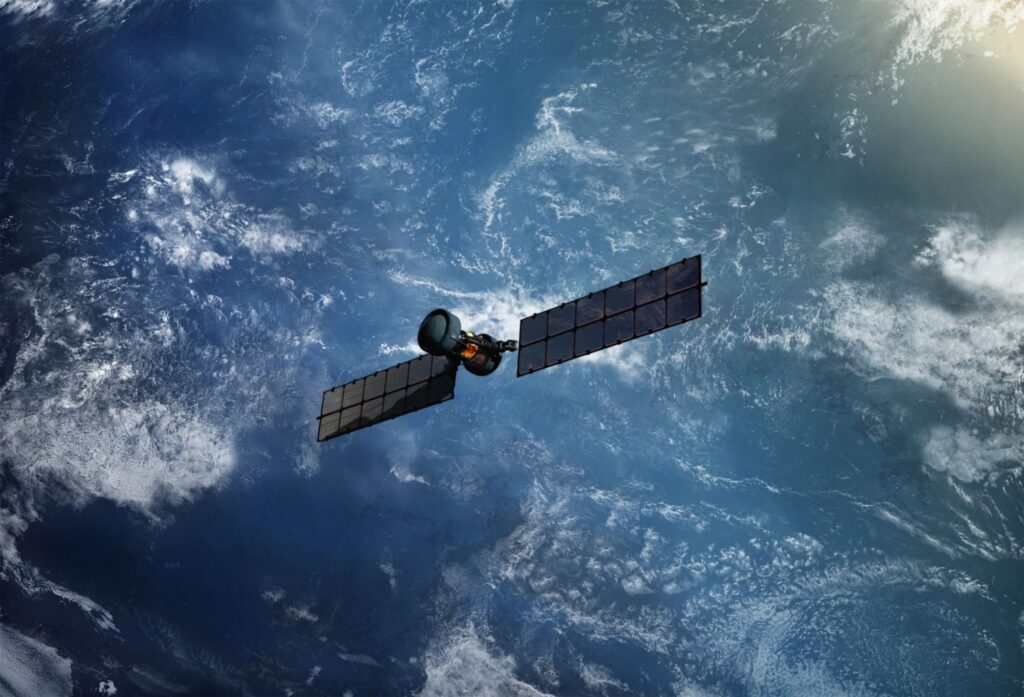
Telenor IoT and Sateliot say field tests in Spain showed Telenor IoT SIM cards staying connected to Sateliots satellite network for extended periods, and the pair will extend trials to several other countries.
The alliance is positioned around 3GPP Release 17 Non-Terrestrial Network (NTN), aiming to let new NB-IoT device designs span terrestrial and satellite coverage without satellite-specific hardware.
Spain field tests point to extended NB-IoT SIM connectivity over Sateliot
The partners report that their Spain trials demonstrated that Telenor IoT SIM cards can remain connected to Sateliots satellite network for extended periods.
They also say they will continue expanding testing, with trials planned in several countries beyond Spain.
Release 17 NTN framing for a single NB-IoT device architecture
The practical design opportunity the partners describe is for device makers and enterprises building new products around NB-IoT modules that support 3GPP Release 17 NTN.
With that support, the satellite component is described as part of a cellular IoT architecture rather than a separate hardware track, reducing the need for enterprise satellite internet, complex integrations, or proprietary solutions that have historically been required in remote areas.
Sateliots LEO network and the no modifications claim for compatible devices
Sateliot describes its satellite solution as built to work seamlessly with standard NB-IoT devices used on the ground. The underlying technical basis is that Sateliots LEO satellites follow the 3GPP Release 17 5G Non-Terrestrial Network (NTN) standard.
The partners also state that devices can connect to Sateliots satellites without modifications, custom antennas, or special firmware, provided the devices support the 3GPP Release 17 NTN. They add that coverage limitations outside populated areas remain common in many parts of the world.
What to watch: the partnership is about new builds, not retrofitting deployed NB-IoT
The clarification around the field-test results is that it is not a claim that existing NB-IoT devices already deployed in the field will automatically gain satellite reach.
For buyers and integrators, the scope is therefore narrower: it targets designs where the NB-IoT module supports Release 17 NTN, enabling the satellite element to be engineered into a standard cellular IoT workflow rather than treated as a separate track.