
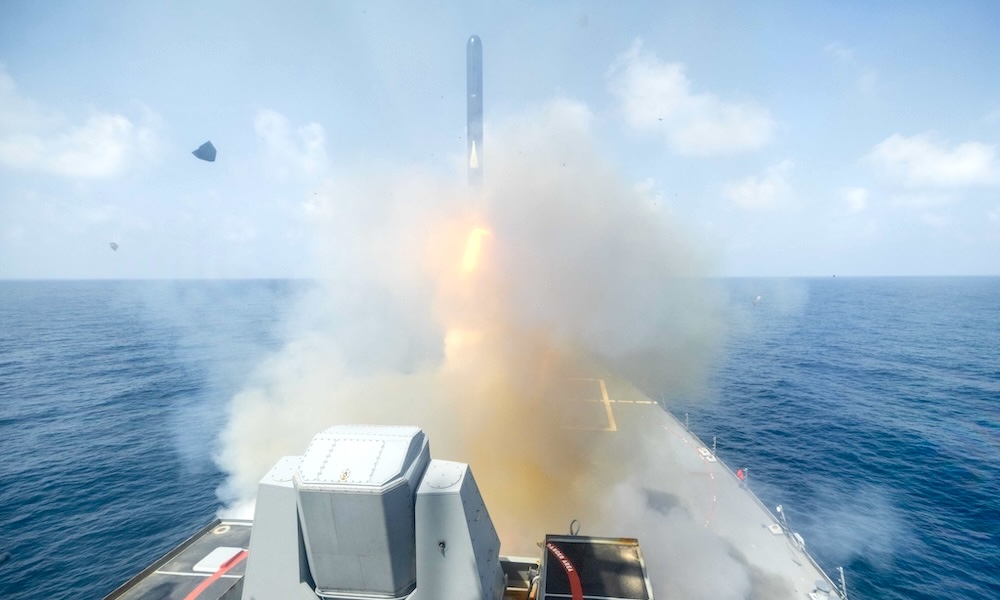
U.S. forces struck Iranian targets at Bandar Abbas as Iran launched drones and ballistic missiles toward Kuwait, while at least four commercial vessels were forced to turn around during attempts to transit the Strait of Hormuz as the crisis approaches its 100th day.
Maritime security firm EOS says the shipping risk has not changed as the U.S. and Iran escalate, and it argues the Persian Gulf sanctions move leaves companies exposed to interdiction and compliance risk.
US-Iran escalation reshapes day-to-day Strait of Hormuz transit
The escalation began overnight when the U.S. struck Iranian positions at Bandar Abbas after Iran launched four drones toward a U.S. tanker attempting to transit outbound with AIS switched off, and it was followed by multiple drones and ballistic missiles toward Kuwait.
EOS27s Martin Kelly assessed that the situation between the U.S. and Iran is worsening and that the risk to shipping has not changed.
EOS ties the latest phase to the April 8 ceasefire baseline
Kelly referenced a ceasefire agreement beginning on April 8, and said the U.S. attacked Iranian targets at Bandar Abbas, Sirik, and Jasm on two or three different occasions since then.
Kelly also said Iran attacked U.S. warships on at least two occasions and attacked the UAE, Saudi Arabia, and Kuwait multiple times while continuing to attack commercial shipping.
OFAC sanctions add a compliance versus coordination dilemma for shipping
Washington added the Persian Gulf Strait Authority to OFAC27s Specially Designated Nationals list, designating it as linked to the Islamic Revolutionary Guard Corps, and the PGSA is the Iranian body established to manage transit permits through Hormuz.
EOS27s Kelly framed the sanctions development as placing shipping companies in a dilemma: transiting without PGSA coordination risks Iranian interdiction, while engaging with the PGSA risks violating U.S. sanctions.
Statements from Iran and the U.S. narrow the path to reopening
Ali Bagheri Kani, Iran27s deputy secretary of the Supreme National Security Council, said any eventual settlement will not restore prewar conditions at the strait and that shipping procedures in the Strait of Hormuz after the war will be completely different from those before the outbreak of the armed conflict.
President Trump publicly dismissed an Iranian state television report claiming Tehran and Oman were close to a deal to restore commercial shipping within a month under joint Iranian-Omani management, and he said nobody is going to control the strait and that Oman will behave like other actors in international waters or the U.S. will have to 22blow them up.22
What to expect for operators as oil tightness risks build
BIMCO chief shipping analyst Niels Rasmussen warned that if the Strait of Hormuz remains effectively closed, oil stocks could reach critical levels by the end of September and may no longer provide a secondary source of oil supply.
Rasmussen27s forecast points to a closing window for supply flexibility if transit disruption persists.