
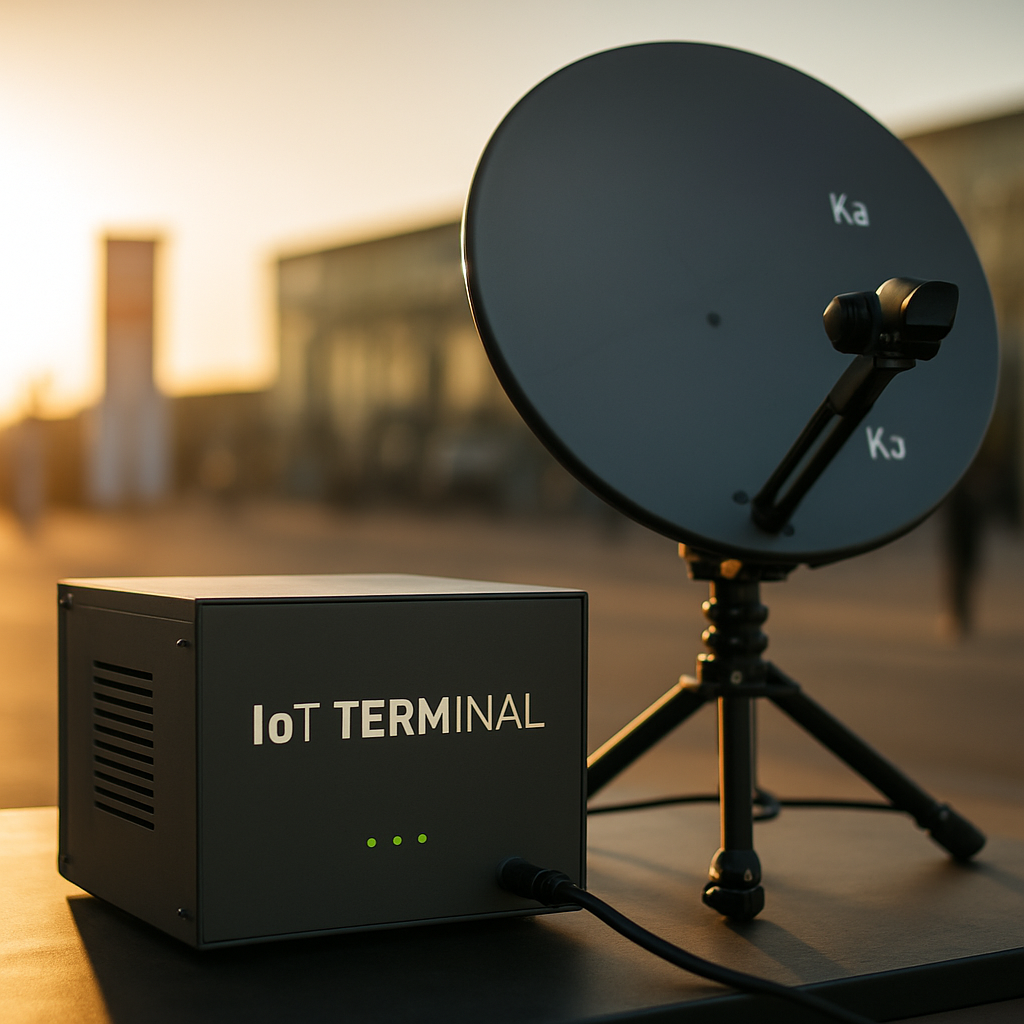
Ceva launched PentaG-NTN to accelerate 5G satellite connectivity and IoT terminal development. The company positions the platform as an enabler for LEO satellite internet aimed at boosting IoT terminals, with the launch framed around convergence between terrestrial networks and the rise of LEO constellations.
Technically, PentaG-NTN is described as being based on Cevas third-generation PentaG platform and designed to simplify integration through a validated modem that can operate in difficult radio conditions. The architecture is said to address key issues for NTN links, including the Doppler effect and long latency, and it is built on a subsystem described as ready for production; the article links that production-ready approach to improved reliability for new terminals.
Ceva also claims process and cost acceleration for development, including that FPGA emulation accelerates testing and ensures secure deployment, and that PentaG-NTN reduced silicon development by nearly 65%. The product was launched at MWC 2026, covers Ka and Ku bands, and is described as providing a standard cellular modem for standardized integration for LEO constellations, with compatibility extending to operators seeking baseband compliance with Release-18 and a forward-looking Release-19 path.