
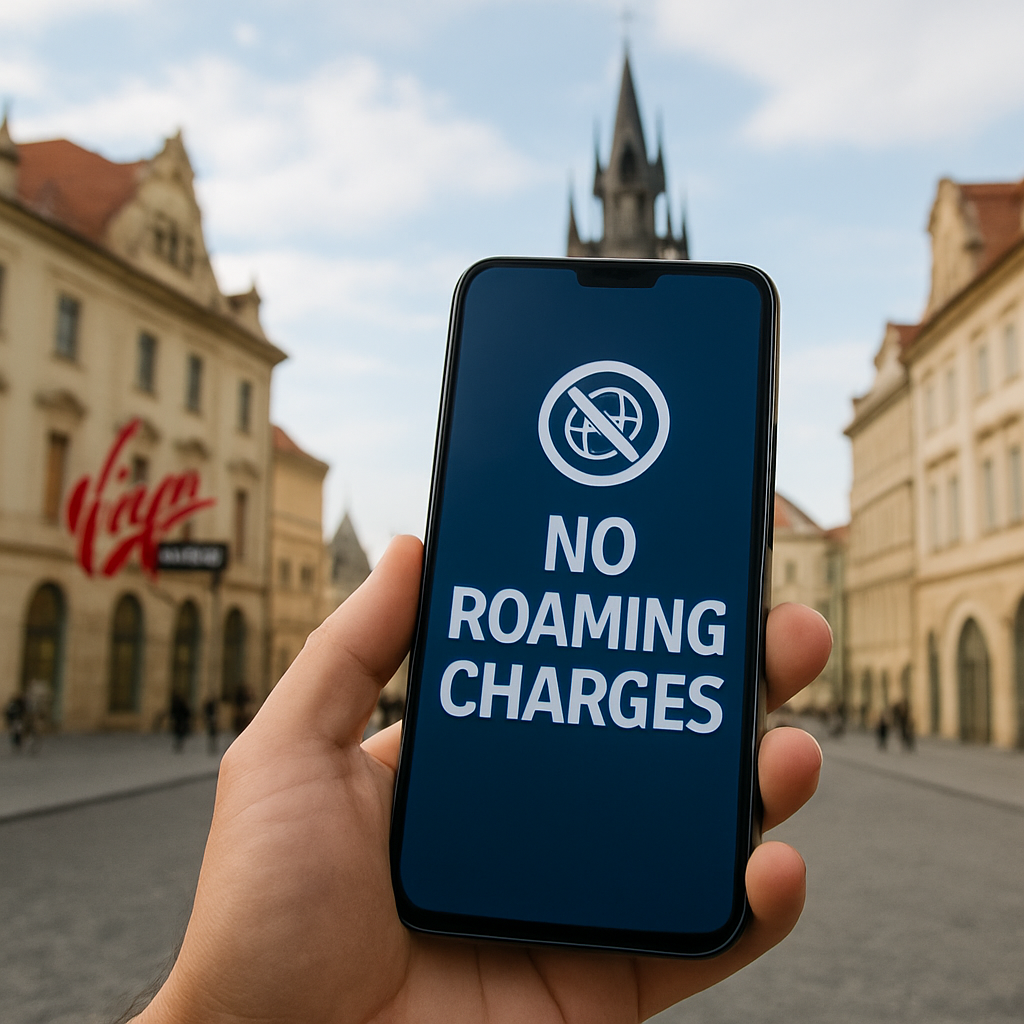
British operators Virgin Mobile and O2 said they will not reintroduce roaming charges for customers when they travel in European countries. Brussels is also pursuing an EU policy that suppresses roaming fees between member states until 2032.
How roaming works when your operator has no coverage
Roaming lets a mobile user make calls, send SMS, and use Internet data by connecting to partner operator networks when abroad. It describes the ability for a mobile subscriber to continue using the phone outside their home operators coverage area by connecting to another operators network.
When a subscriber enters an area where their operator has no coverage, the phone can automatically switch to the network of a local operator with which the home operator has a roaming agreement. Roaming allows users to stay connected internationally without changing their SIM card or mobile subscription.
The charging split: traditional roaming costs vs EU domestic-plan agreements
Traditionally, roaming can involve extra charges, especially for mobile data and calls made while abroad. In the European Union, agreements can allow users to use their domestic mobile plan without additional roaming fees.
UK operators make a no-fee commitment inside Europe
Virgin Mobile and O2 said they will not reintroduce roaming charges for customers when they travel in European countries. The position taken by Virgin Mobile and O2 is not unanimous among UK competitors.
Brussels extends the end of roaming fees to 2032
Brussels wants to extend the end of roaming within EU member states by suppressing roaming fees between member states until 2032. The plan is to extend that end of roaming by 10 years until 2032.