
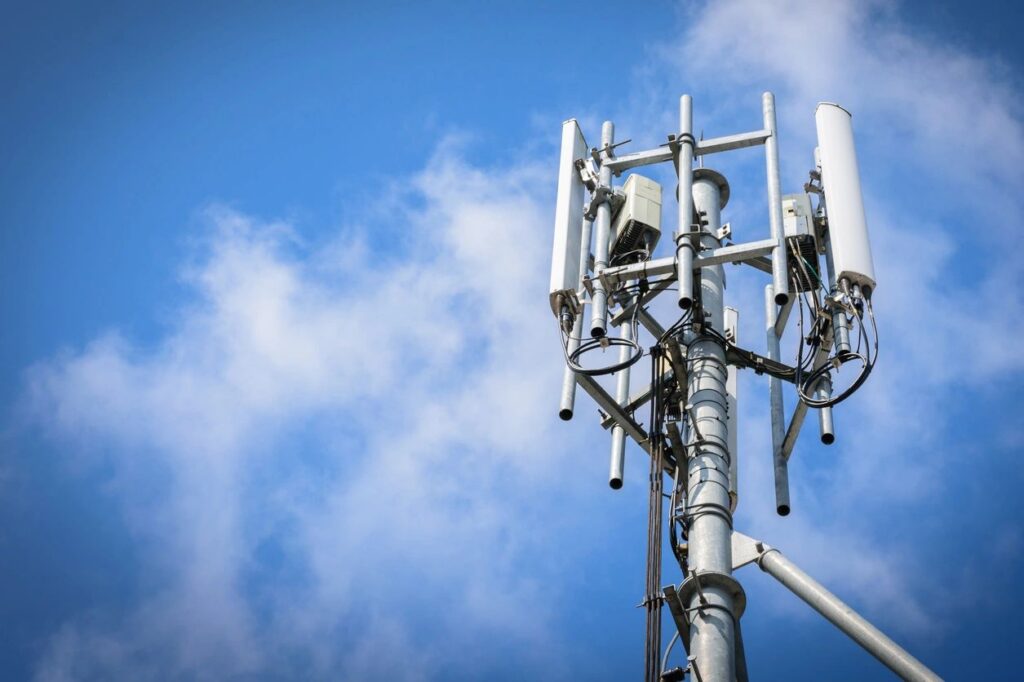
ARCEPs guidance explains how Local & Roaming works for French mobile customers when they travel outside the EU/EEAwhat happens on the visited network, what operators must disclose, and how bill shock controls should operate.
For roaming users, each voice minute, SMS, and unit of mobile data consumed uses resources of the network of the foreign operator that the customer is attached to, with the visited operator charging roaming usage fees back to the French originating operator.
Roaming charges and country-dependent pricing outside the EU/EEA
ARCEP describes roaming as a situation where a French mobile operator customer uses their phone abroad on the network of a visited foreign mobile operator. It also notes that roaming usage is often subject to special pricing for customers depending on the visited country.
At the European level, surcharges disappeared on 15 June 2017 and roaming tariffs are now equal to domestic tariffs within the limit of reasonable use. ARCEP says that this disappearance of surcharges and equalization of tariffs does not apply when traveling to a country outside the European Union and the EEA.
What Article 15 of Regulation (EU) 531/2012 requires
Beyond pricing, ARCEP points to transparency and customer-protection obligations under Article 15 of Regulation (EU) 531/2012 as amended. In particular, operators must inform users about the pricing of communications.
ARCEP also frames these obligations around protecting customers against potential bill shock tied to using mobile internet while roaming abroad.
The 200 data cap, 80% warning, and operator lock for roaming data
ARCEP states that, by default, the volume of international mobile data available while roaming abroad is capped worldwide at 60 euros, unless another cap is agreed with the customer by the operator.
A warning message must be sent to the user when they reach 80% of the default data cap (or the cap agreed with the customer) and again when they reach the limit. After the cap limit is reached, roaming data downloads are locked by the operator unless the user makes an express request.
ARCEP specifies that this bill-shock protection mechanism does not cover voice and SMS services.
Audience read: compliance and wholesale roaming teams
If you manage roaming offers for French-origin customers outside the EU/EEA, ARCEPs guidance centers on three operator duties: user pricing transparency, bill shock protection for mobile internet, and a default 200 data cap with an 80% warning and post-limit locking behavior.
It also clarifies that the EU roaming surcharge and tariff equalization rules that apply within the EU/EEA do not carry over for destinations outside the EU and EEA.