
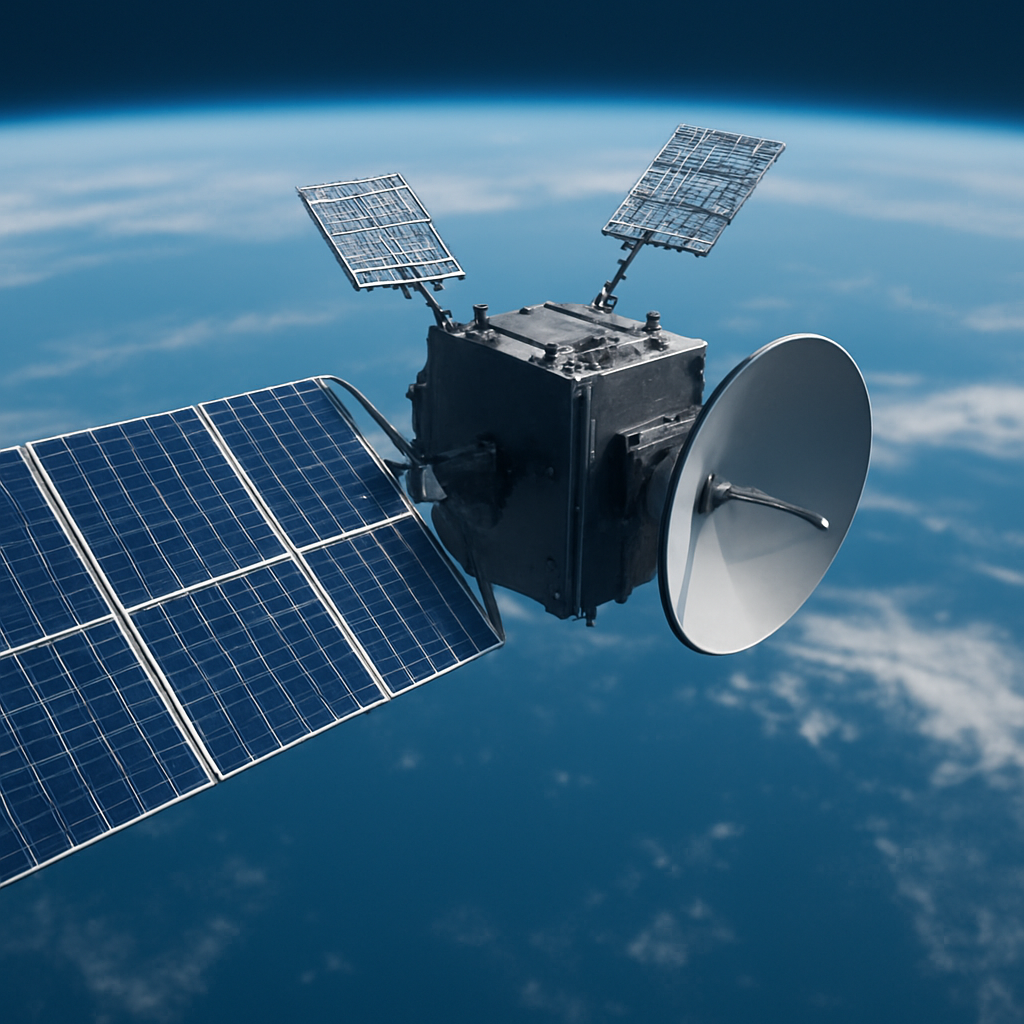
Telecom operators are increasingly working with satellite operators to provide direct-to-device services, and GSA tracking indicates the partnership base is now at scale.satellite connectivity solutions
New data puts the number of telco-to-satellite direct-to-device partnerships worldwide at 123, alongside 275 publicly announced telco-and-satellite partnerships across 101 markets as of mid-April.
D2D is near half of operator partnership activity
In the same mid-April snapshot, direct-to-device (D2D) accounts for almost half of the market in operator partnership terms, while the GSA also notes growing interest among telcos in pursuing a multi-vendor strategy.
The mid-April totals cover direct-to-cell, fixed broadband replacement, and satellite-based IoT services. They also show D2D availability expanding: O2 Satellite is one of 21 D2D services available worldwide in 17 countries, with two new countries added since February 2026.
Operators move from launch to evaluation pipelines
Alongside services already live, the GSA data separates the pipeline into different stages. A further 29 operators are in the evaluation and testing phase, or have been licensed to offer D2D, while 73 more plan to launch D2D services.
Service launches highlighted in the data include Spark in New Zealand, whose Spark Satellite offering launched in early April, and Japans SoftBank, which launched its D2D service about a fortnight after Spark. Both services use Starlink.
Starlink leads partner counts; MSS spectrum is the next battleground
Within operator agreement counts, Starlink dominates. As of mid-April, Starlink had 96 operator partnerships, compared with 44 for AST SpaceMobile and 28 for Amazon Leo.
These deals sit within a wider commercial satellite footprint: in total, 57 operators in 35 countries have launched commercial satellite services, many offering fixed broadband replacement. The IoT and M2M segment is smaller, accounting for 8.3% of all satellite partnerships, and is described by the GSA as being at the earliest stage of development within satellite partnerships. The GSAs rationale is that IoT is generally slow to adopt new technologies because IoT comes with a long replacement cycle.
For D2D specifically, the GSA flags spectrum as an important issue. D2D satellite services mainly use terrestrial frequencies owned by mobile operators rather than dedicated satellite frequencies, and the GSA points to movement towards using Mobile Satellite Services (MSS) spectrum to provide additional dedicated bandwidth. It says MSS spectrum helps tackle interference and facilitates more powerful services. The shift aligns with deal activity including SpaceXs purchase of MSS licences from EchoStar and the expectation that Lynks merger with Omnispace will give Lynk additional MSS spectrum for direct-to-cell. The GSA also notes AST SpaceMobiles purchase of Ligado and Amazons planned acquisition of Globalstar, and indicates that Ligado and Globalstar hold MSS licences relevant to the movement toward MSS spectrum.
Outlook for 2026 launches
The GSA expects further satellite partnerships to launch in 2026, citing the growing device ecosystem and greater interest in the technology. The article also states that it expects AST SpaceMobile-backed services to come to market before year-end and says AST SpaceMobile has experienced a recent satellite launch failure.