
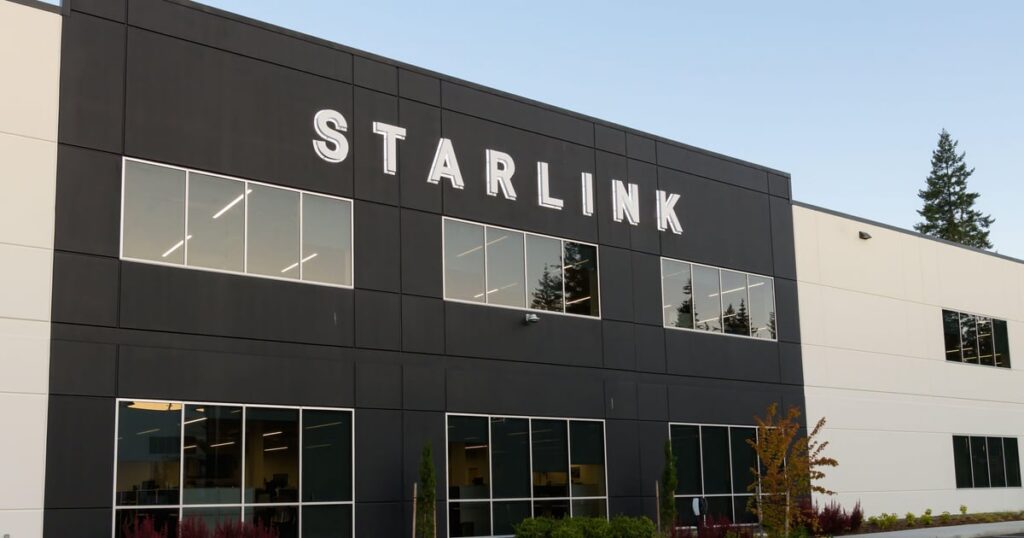
The three nationwide mobile network operators spent the Q1 2026 earnings cycle saying no to a Starlink MVNO, as the FCC approved SpaceXs 65 MHz nationwide Direct-to-Device spectrum purchase under tech-neutral performance obligations.
Four days later, the carriers announced a satellite joint venture framed as a technical interop platform
standardizing the satellite-to-cellular interface
while not pooling purchasing, not binding them to deny Starlink wholesale, and not closing the consumer-brand path SpaceX has been building since 2024.
Spectrum, obligations, and the interface that MNOs will still control
On May 12, 2026, the FCC approved SpaceXs purchase of 65 MHz of nationwide Direct-to-Device spectrum under tech-neutral performance obligations. The analysis also characterizes that 65 MHz allocation as dedicated to Direct-to-Device and describes it as the only allocation of its kind in US midband, calling it a load-bearing piece of operating capability.
The carriers four-days-later satellite joint venture is described as a technical interop platform that standardizes the satellite-to-cellular interface, and the article says this structure does not pool MNO purchasing, does not bind the three operators to deny Starlink wholesale, and does not close the consumer-brand path SpaceX has been building since 2024.
Power, capacity, and the satellite capacity window
The article points to power and spectrum-sharing rules as part of the capability set: it says the FCCs March 2025 waiver lifted the PFD limit by 770%, and that the waiver activated 4G-class consumer service on satellite connectivity solutions Starlink Direct-to-Cell today.
On capacity and satellite access, it says April 30, 2026 NGSO spectrum-sharing rules overhaul allows up to eight Starlink satellites to operate in the same area-and-frequency cell. It also cites a Starlink 15,000-satellite Direct-to-Cell filing submitted in September 2025.
Starlink Mobile and the onramp concept before the MNO endpoint
The article describes the Starlink Mobile trademark being filed in October and says SpaceX has been the assigned operator of mobile network code 901-08 since February 2024. It frames mobile network code 901-08 as a critical requirement to be a stand-alone mobile operator and says it is already in place.
It also says the Gen2 platform converts Direct-to-Cell from a data-and-messaging overlay into native cellular voice at consumer scale using the 3GPP 5G non-terrestrial standard, with consumer-grade operationalization reaching consumer scale in 2027.
Strategically, the analysis describes the MVNO arrangement, if it happens, as the onramp and the MNO endpoint as the destination where Starlink runs its own network on its own spectrum at consumer scale. It further states that Starlink is the first US wireless entrant to begin that journey already owning the spectrum that makes the destination accessible.
Equity compression scenarios under an MVNO host or a bypass path
If a Starlink Mobile activation occurs within the three-year window from the IPO, the articles scenario-based reconstruction estimates sustained equity reallocation would run $55 to $120 billion of compression across nine incumbent actors. In that scenario, it estimates $10 to $22 billion of uplift to SpaceX, EchoStar, and the tower companies.
Under the bypass scenariodescribed as where Starlink builds OEM-direct distribution and selective tower acquisitionit estimates year-3 sustained equity compression aggregates to $70 to $120 billion across nine incumbent actors. In the same bypass reconstruction, it estimates SpaceX captures $10 to $15 billion of mobile-line optionality contribution to the IPO equity story, and EchoStar absorbs $1.5 to $3 billion of uplift through the SpaceX equity stake.
The article also characterizes the joint venture as an interop standard that benefits MNOs and commoditizes small satellite operators, and it says the standard will probably go global because US cellular interop sets the pace. It adds that the Q1 denials hold under the joint venture, while the structural question of when competitive dynamics force one of the three MNOs to break individually is still open.