
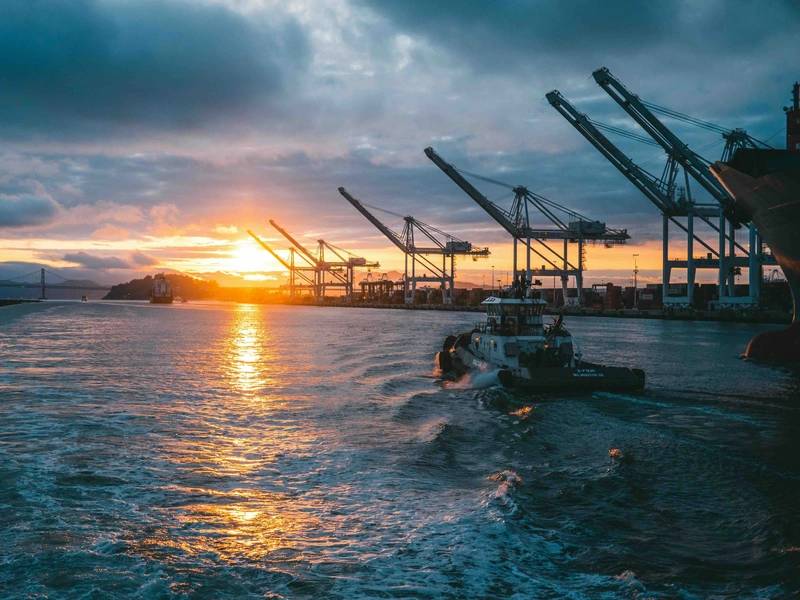
Ports are using more remotely tracked and operated sensors and camera systems as automation spreads across port and cargo operations, with AI positioned as the tool to make that visibility useful for both security and safety.
The same move that improves incident response and evidence handling also increases the cyber-physical risk: every device and its connected network become part of the security system’s attack surface.
AI-driven perimeter monitoring beyond standalone cameras
AI plays a key role in smarter operations across the whole port area, including security that relies on monitoring large numbers of camera feeds from an extensive perimeter. The approach extends beyond fixed coverage: cameras in the harbor and sensors on buoys, plus AI seaborne-drones, are described as able to investigate comings and goings on the water.
As vessel operations become more automated, the analysis argues that tracking arrivals of AI-driven large vessels needs more than traditional pilot vessels, with airborne drones used to support compliant arrivals and to check “dark spots” where security teams often lack time.
Cranes, AGVs and seaborne drones for faster operations and screening
Beyond security, the same AI layer is described as boosting automated operation of cranes and automated guided vehicles (AGVs) or straddle carriers, with intended gains in efficiency and speed up loading, unloading, and cargo transfer.
The analysis also frames AI as capable of a back-office role in safety screening and other areas of port and worker management, with a security data pool derived from safety and security cameras aimed at performance improvement and identifying areas where humans may be put at risk in an increasingly automated environment.
Extreme-temperature camera hardware and evidence chains
The linked reference in the article describes extreme temperature security cameras as operating from -50°C to 65°C and ruggedized to keep salty air out for extended, high-availability operations—specifically to handle changing operating conditions.
On the security workflow, AI systems are described as recording evidence as a single chain to support insurance claims and compliance officers covering privacy and data security, while giving security teams more time to investigate and respond more quickly to port events.
Device registration, firmware and network protection to reduce cyber-to-physical risk
Port security that leans on AI, networks, and many remote devices is described as creating a new risk for cyber security attacks. The article’s suggested controls include registering every sensor and camera and keeping firmware up to date, plus protecting the network each device connects to.
The goal is to prevent a cyber breach or attack that could lead to physical crime such as theft, including through disabling the security system or stealing data, with the article also calling for security systems to be integrated with the rest of IT using an IoT connectivity management platform to avoid major cybersecurity failures such as the Maersk hack.