
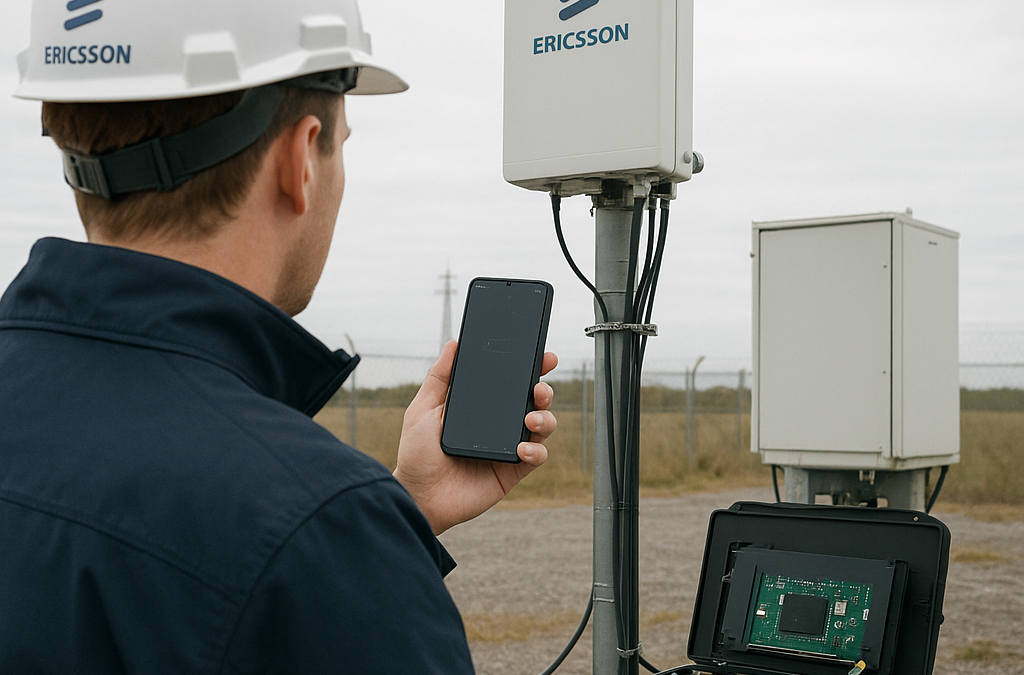
Ericsson field-tested Layer 1/Layer 2 Triggered Mobility with AT&T and MediaTek for IoT and extended reality mobility. Ericsson said the technology can cut handover interruptions by up to 25%.
The test sits around a mobility problem operators know well: keeping sessions alive as devices move between cells. Ericsson’s work with AT&T and MediaTek targeted that handover path for workloads that need uninterrupted connectivity, including IoT and extended reality.
What Ericsson is testing in LTM
Layer 1/Layer 2 Triggered Mobility is the feature name Ericsson used for the trial. The claim set does not give deployment timing or commercial terms, only that the companies field-tested it.
Where the performance claim lands
Ericsson said the approach can reduce handover interruptions by up to 25%. That is the main number in the story, and it is the only disclosed performance figure in the claim list.
Read for IoT and private 5G teams
The newsletter says Ericsson’s latest mobility trials with AT&T and MediaTek could make faster, more reliable 5G handovers a key enabler for critical IoT, private 5G, and emerging physical AI applications. For operators and integrators, the immediate signal is that mobility tuning is being framed as a prerequisite for those workloads, not a nice-to-have.