
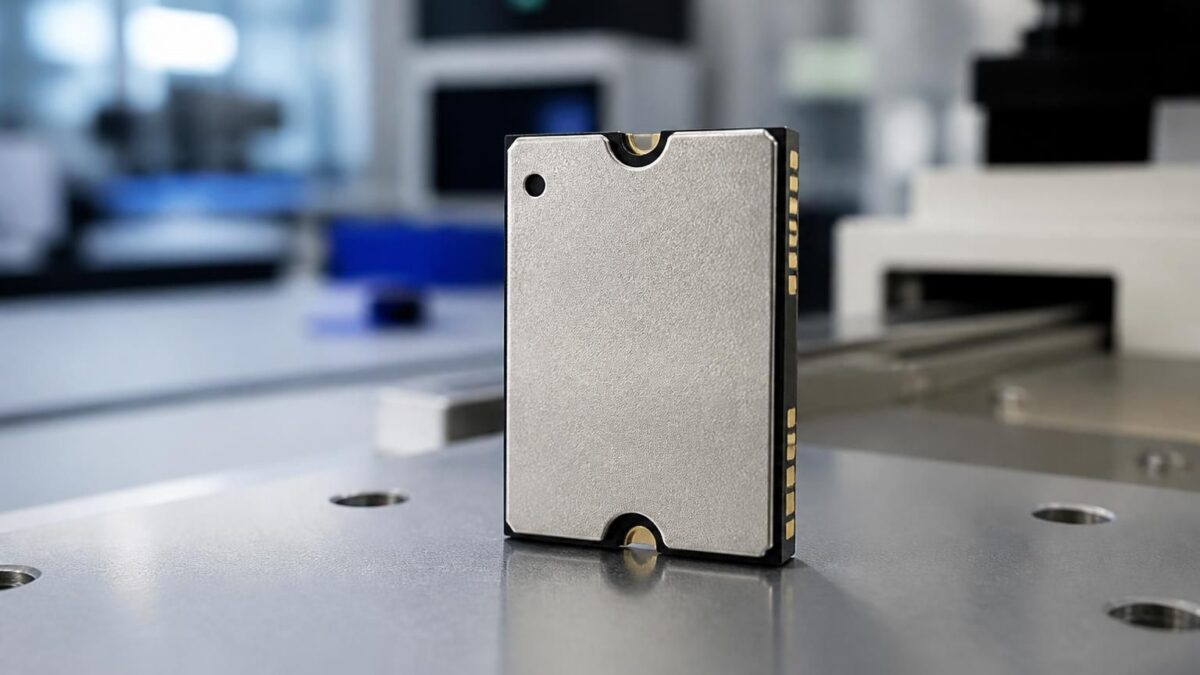
COMPRION and STMicroelectronics are collaborating on eSIM SGP.32 compliance testing, with the environment aimed at IPAd developers for IoT devices.
The setup is meant to expose integration defects before connected deployments. It also reflects the GSMA’s move to put the IoT Profile Assistant at the center of remote profile management.
How SGP.32 structures remote profile management
SGP.32 organizes cellular profile management for devices that often lack a screen. The IPA handles remote orchestration with the eIM manager and can download, activate, deactivate, or replace an operator profile on a device.
GSMA says the component has two placements: IPAe runs in the eUICC, while IPAd runs on the terminal processor. That split matters for manufacturers that want to control their embedded software.
What COMPRION and ST put into the test environment
COMPRION and STMicroelectronics combine the eUICC Profile Manager, Loader IoT, and Network Bridge in a single validation environment. The platform also uses ST’s ST4SIM-300 chip, which is said to meet GSMA requirements.
COMPRION simulates the eIM and SM-DP+ roles in the architecture. ST provides an example IPAd to support custom integration work.
Who the collaboration is aimed at
The partnership targets device makers, module makers, gateway makers, embedded software vendors, connectivity providers, and integrators. The sectors involved include automotive, payments, remote metering, and industrial markets.
Marcus Dormanns said the challenge goes beyond coding a single function. Agostino Vanore said it is important to identify anomalies early in development.
The collaboration is presented as making SGP.32 interoperability a concrete criterion for IoT teams.
Read for IoT device makers and integrators
The disclosed setup gives device, module, gateway, and integration teams a specific place to test IPAd behavior before rollout. That matters because the partnership is aimed at catching integration defects early, not after deployment.
For connectivity providers and embedded software vendors, the key point is that the test environment covers both protocol roles and an example IPAd, which makes the handoff between device software and remote profile systems harder to treat as a black box.