
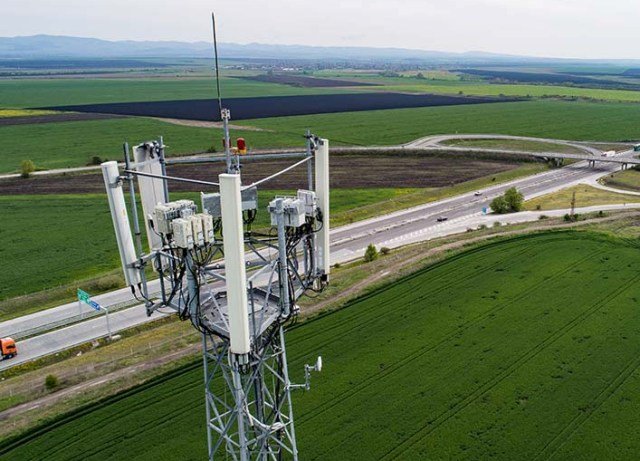
Germany is preparing restrictions on Chinese telecom equipment in its mobile networks, a move that could exclude Huawei and ZTE from 5G infrastructure on national security grounds. The country’s Federal Network Agency has also been considering stricter security requirements for sensitive 5G network components (via telecomlead.com).
Vendor shortlist pressure in Germany
The claim set does not describe a final rule, but it does show where the pressure lands: network gear tied to sensitive 5G functions. The article names Nokia, Ericsson, and Samsung as potential alternative equipment suppliers for German operators.
Ethiopia’s pre-commercial AI RAN trial
ZTE and Ethio Telecom have completed Ethiopia’s first pre-commercial AI-powered RAN deployment. The deployment used ZTE’s AIREngine intelligent computing engine and AI-driven beam scheduling to improve radio resource allocation and network performance.
The companies said the deployment delivered an 11 percent increase in 4G network capacity and a 40 percent improvement in peak-hour user throughput versus the traditional solution. That puts measurable performance gains around a pre-commercial trial rather than a generic AI-RAN announcement.
VodafoneThree’s Ericsson rollout and 2027 test plan
VodafoneThree said on November 4 that it had become the first operator to deploy Ericsson’s AIR 3266 Massive MIMO radio in a commercial mobile network. The first London site using the radio became operational in October, and VodafoneThree plans to test Ericsson’s AI-native scheduler with nationwide deployment targeted for 2027, subject to validation.
The AIR 3266 radio supports up to 400 MHz bandwidth, delivers at least 30 percent energy savings, and has up to 50 percent lower embodied carbon than existing solutions. VodafoneThree’s Ericsson modernization agreement is worth SEK 12.5 billion (≈ $1.31 billion) and covers more than 10,000 sites.
What it means for U.S. buyers
For U.S. enterprise network teams that buy managed wireless or plan multinational rollouts, the German move is a reminder that security review can reshape vendor shortlists before price or performance do. The same story shows how quickly regulators can turn sensitive 5G components into a procurement issue, which matters when carriers or large buyers are mapping long-cycle network upgrades.
Droam Perspective
Germany is not just talking about Chinese vendors in the abstract; the claim set ties the policy to 5G infrastructure and names Huawei and ZTE as the suppliers most directly exposed. It also points to Nokia, Ericsson, and Samsung as possible alternatives, which is enough to show where German operators may look if restrictions tighten.
Dollar amounts marked ≈ are approximate conversions at reference rates (1 SEK = $0.105).