
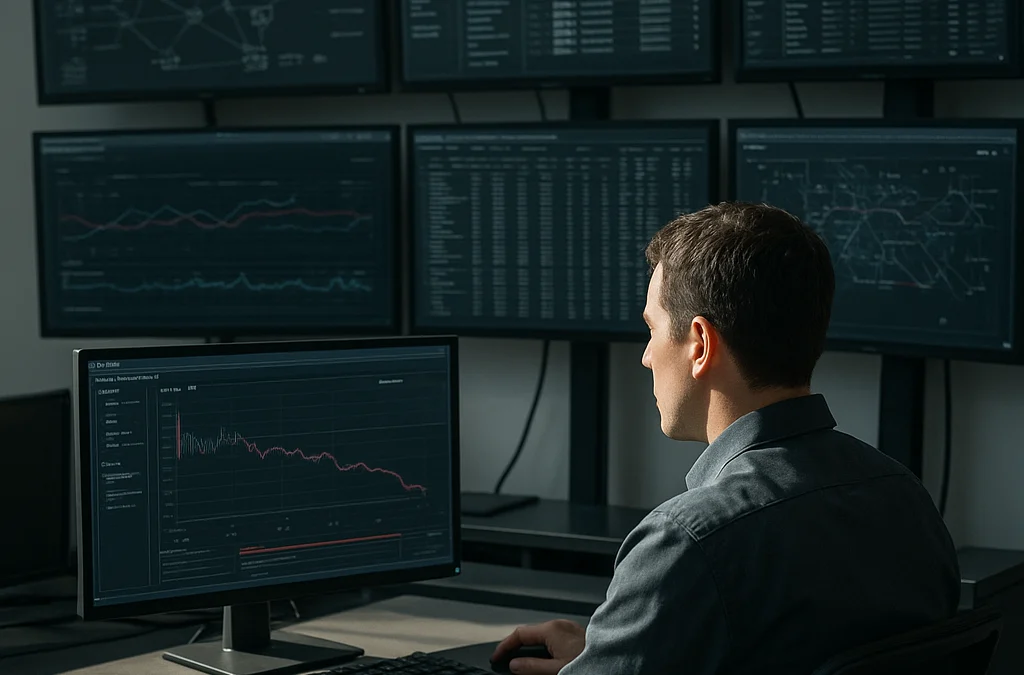
ITcare says its HORA network operations platform cut median investigation time in its own NOC from around 28 minutes to under four, while giving engineers a combined view of inventory, metrics, logs, traffic flows, BGP monitoring, live network state, configuration backups and controlled change management (via totaltele.com).
That reduction matters because ITcare is pitching HORA as a tool for senior engineers working across multi-vendor environments, including fiber ISPs, wireless providers and data center fabrics, where delayed fault repair can raise mean time to repair and hurt customer relationships.
HORA’s operating model
ITcare says HORA was built for its own NOC first and is used on live customer networks. Visnevschi says the platform can quickly troubleshoot problems, provide root cause analysis and show which customers are affected by a specific outage.
The product is designed to sit on-premises and stay network-management-system agnostic. Visnevschi says that matters because engineers often face similar troubleshooting chains even when the hardware, architecture and protocols change from one network to the next.
Human approval stays in the loop
Visnevschi says HORA can propose network changes, but an engineer must review and approve them before anything touches a device. He also says a single engineer can use the platform to assess impact and prepare changes across hundreds of devices from a plain-language request.
That puts the product closer to decision support than full autonomy. Visnevschi says full autonomy in network operations remains a longer-term ambition.
What it means for U.S. buyers
For U.S. enterprise network teams and multi-site operators, the practical question is whether a tool like HORA can shorten fault investigation without removing human approval from the change process. ITcare says the platform is built around senior engineers who review and approve changes, so the buying decision is less about replacing staff than about whether the system can make the existing team faster.
That also makes the deployment model relevant. Visnevschi says HORA is on-premises and network-management-system agnostic, which means U.S. buyers comparing monitoring or remediation tools would need to judge it against their current stack and operating model rather than assume a single fixed integration path.
Droam Perspective
For fiber ISPs and wireless providers, the disclosure that HORA still requires engineer approval is the more consequential part of the pitch. ITcare is not claiming autonomous remediation today; it is saying the system can compress investigation time and help one engineer handle more work while keeping humans on the hook for device changes.
That is the right read on the disclosure. The platform’s value, as described here, sits in speed, visibility and workflow control rather than in a clean handoff to automation.