
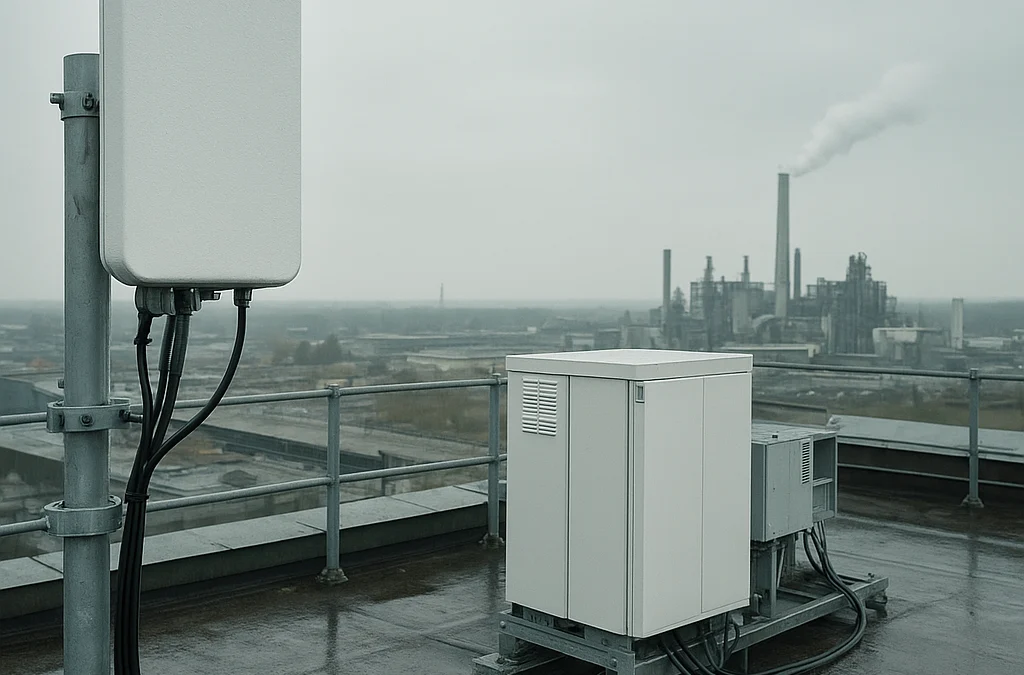
GSMA Intelligence says telecom operators in the Middle East and North Africa will invest $53 billion from 2026 through 2030 in 5G network expansion, standalone 5G infrastructure, and 5G-Advanced technology (via telecomlead.com).
That comes as regional 5G connections are forecast to rise from 67 million in 2025 to nearly 350 million by 2030.
| Fact | Value |
|---|---|
| Investment | $53 billion |
| Forecast | 67 million to nearly 350 million |
| GCC adoption | 95 percent by 2030 |
| Standalone services | 11 operators |
| Commercial markets | 17 of 24 |
| FWA networks | 36 of 56 |
| Saudi FWA share | Approximately 20 percent |
| Data use | 30 GB to 54 GB |
Standalone 5G and revenue pressure
GSMA Intelligence says operators in MENA are trying to turn network spending and higher 5G adoption into sustainable revenue and higher average revenue per user. Mobile ARPU across the region has stayed broadly flat since the first commercial 5G launches in 2019.
The report also says the move from non-standalone 5G to standalone architecture is needed to generate more revenue from network slicing, private wireless networks, industrial connectivity, and managed enterprise services. By September 2026, 11 operators across the six GCC markets were offering commercial 5G standalone services.
Fixed wireless access is already commercial
Fixed wireless access is one of the clearest monetization paths in the region. By September 2026, 36 of MENA’s 56 commercial 5G networks, or 64 percent, offered FWA services.
Saudi Arabia is already a heavy FWA market, with fixed wireless accounting for approximately 20 percent of broadband connections. STC offers 5G home broadband packages with speeds of up to 1,000 Mbps, while Du said its FWA business grew 18 percent year on year and that it aims to capture 40 percent of the broadband market by 2027.
Private 5G is moving from pilot to footprint
Enterprise 5G is another revenue track, especially in energy, manufacturing, logistics, and industrial automation. ADNOC partnered with e& in 2024 to develop a private 5G network covering approximately 11,000 square kilometers across onshore and offshore operations.
The network is designed to connect sensors across more than 12,000 wells and pipelines and support industrial monitoring and AI-enabled operations. In April 2026, Inwi, China Mobile, and Huawei announced Morocco’s first private industrial 5G network, covering a 52-hectare manufacturing facility at the Nador West Med industrial hub.
What it means for U.S. buyers
For U.S. enterprise IT and network teams watching wireless roadmaps, this is another reminder that 5G business cases are being pushed toward fixed wireless access and private networks rather than consumer data growth alone. The MENA figures show carriers trying to monetize 5G through stand-alone cores, network slicing, and enterprise services, which is the same service set buyers compare when they evaluate backup access, branch connectivity, or private wireless options.
The adoption and traffic numbers also show why device compatibility and service design matter early in a rollout. When Turkcell said about 30 percent of devices on its network were 5G-compatible at launch, it underscored the gap between network buildout and usable demand.
Droam Perspective
For enterprise buyers comparing wireless backup and private network options, the MENA data points to a familiar pattern: coverage alone does not create margin. Operators need standalone cores, device readiness, and service packaging that can support FWA and enterprise contracts before the capex cycle pays back.